
VillageGreenAI.com
20 years. 20+ stories. One enduring mission.
NEWS: WWII Black Soldiers Fought Tyranny….And Racism
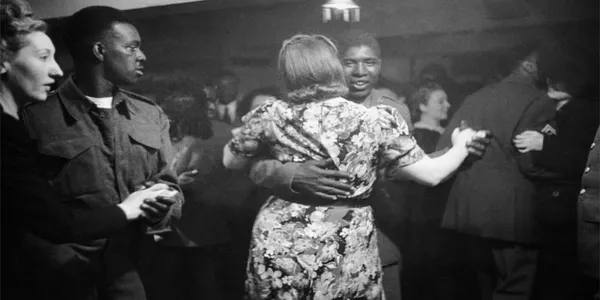
White U.S. Army MPs Fire on Black U.S. Army Troops
It is not well known that Black American soldiers serving in England during World War II were shot by white American Military Police.
The background is that the English town of Bamber Bridge in Lancashire was not segregated. These hospitable Brits treated all U.S. soldiers alike, which is to say that they believed Black soldiers were free to eat, drink, and dance anywhere they wanted,
However, back in America, segregation was still legal. So, the U.S. Army and specifically their MPs decided that those racist rules applied in England. A confrontation erupted after MPs attempted to enforce U.S.-style segregation in a village pub — something British law neither recognized nor permitted.
In June 1943, in a Bamber Bridge pub, Black soldiers of the 1511th Quartermaster Truck Regiment were simply teaching the people how to do the American-created “Jitterbug” dance that was popular. The British women were eager to learn it from the Black soldiers. Essentially the U.S. Army went to someone else’s country and demanded that they adopt America’s racist practices. Tensions escalated over several days, culminating in an armed standoff between Black troops and white MPs. One Black soldier, Private William Crossland, was killed; and several others were wounded.
English writer George Orwell felt at the time that “the Black soldiers had the kindest manners of all the American troops.”
Evelyn Clarisse Martin-Johnson, who served in England in 1945 as a postal clerk, describes her favorable treatment by English people in this interview.
Between 1942 and 1945, about 1.5 million American servicemen and women passed through Britain in support of Allied operations in Europe.
Among them were roughly 150,000 Black Americans, whose arrival exposed the racial segregation embedded in the U.S. military.
Despite generations of service, Black troops were largely restricted to service and supply roles under Jim Crow–influenced policies that enforced “separate but equal” conditions.
Many Black construction engineers were among the first U.S. Army Air Forces units in Britain, building the airfields essential to the Allied air campaign. Their work was grueling and often overlooked, yet vital to victory.
British authorities tolerated U.S. segregation to preserve relations with a key ally, though many civilians treated Black troops with greater social equality than they experienced at home.
This contrast sharpened awareness of injustice. Returning veterans became central to postwar civil rights activism, even as their wartime contributions remained largely unrecognized.
[Thank you to the Imperial War Museum for the video.]
OUR WORK: Featured Documentary Films
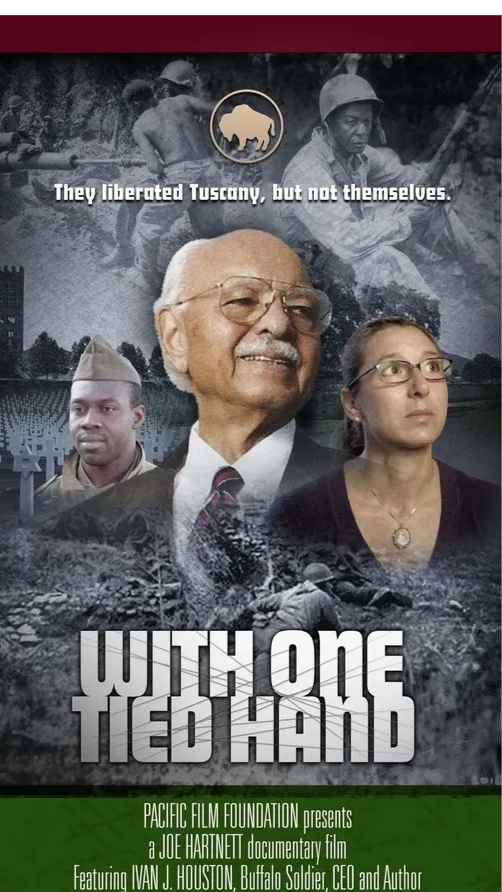
The Buffalo Soldiers of the Segregated U.S. Army courageously liberated the grateful citizens of Tuscany in World War II. Tragically, they were not honored in their own country, returning home to a “Jim Crow” America.
Join Us
Celebrate 20 years with us
Videos: Featured Trailers
Pershing’s Paths of Glory (2018) | Film Trailer
ON LOCATION FOR PERSHING'S PATHS OF GLORY
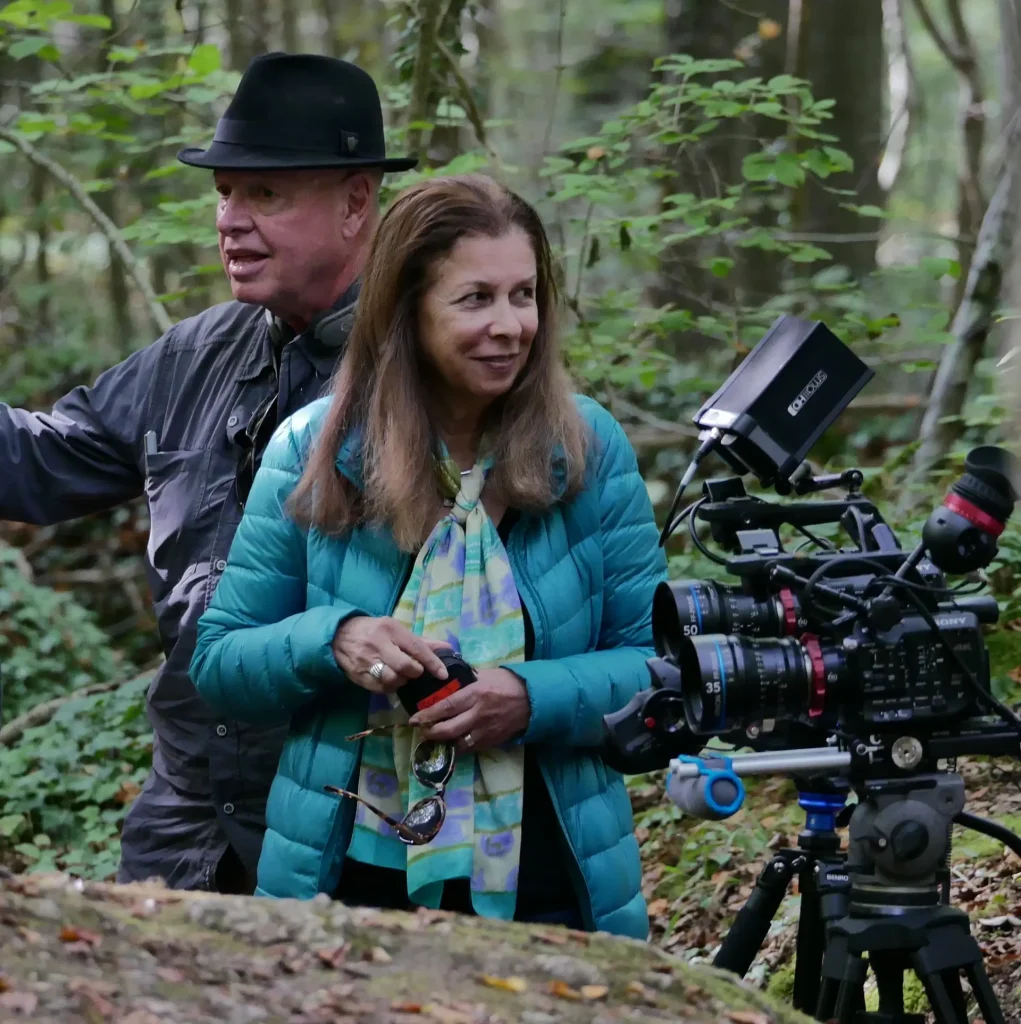
Producer Dr. Dayle Hartnett with a group of high school “Blackjacks” on location at the battlefields of World War I in France.
You have a story to tell. We’ll help you tell it.

Subscribe